









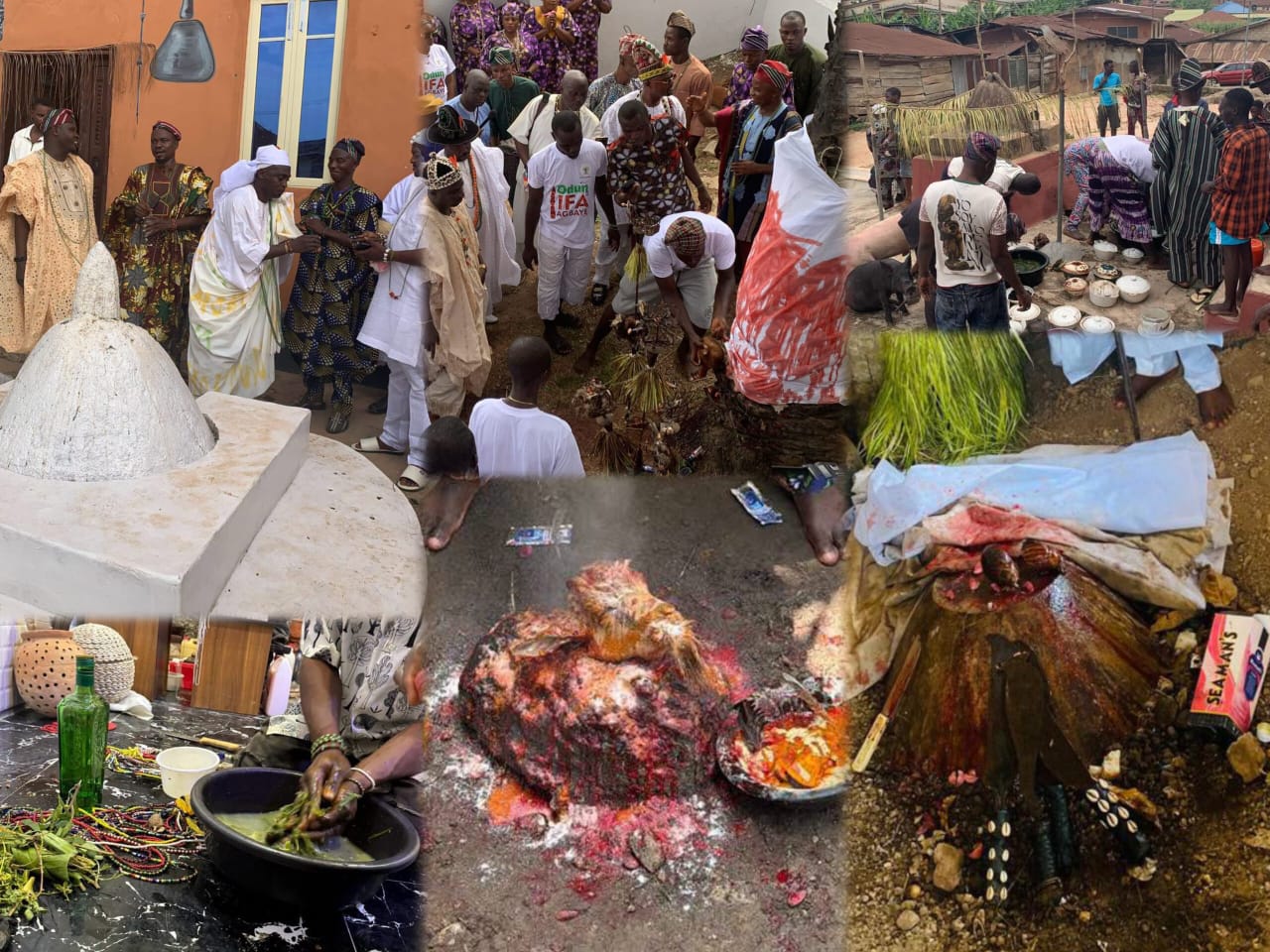
Nestled among the rolling landscapes of Osun State, Igbajo is known for its rich Yoruba heritage, strong family ties,anddeepculturalhistory.Tovisitors,it appears like many other traditional towns in southwestern Nigeria: peaceful, welcoming, and proud of its customs.

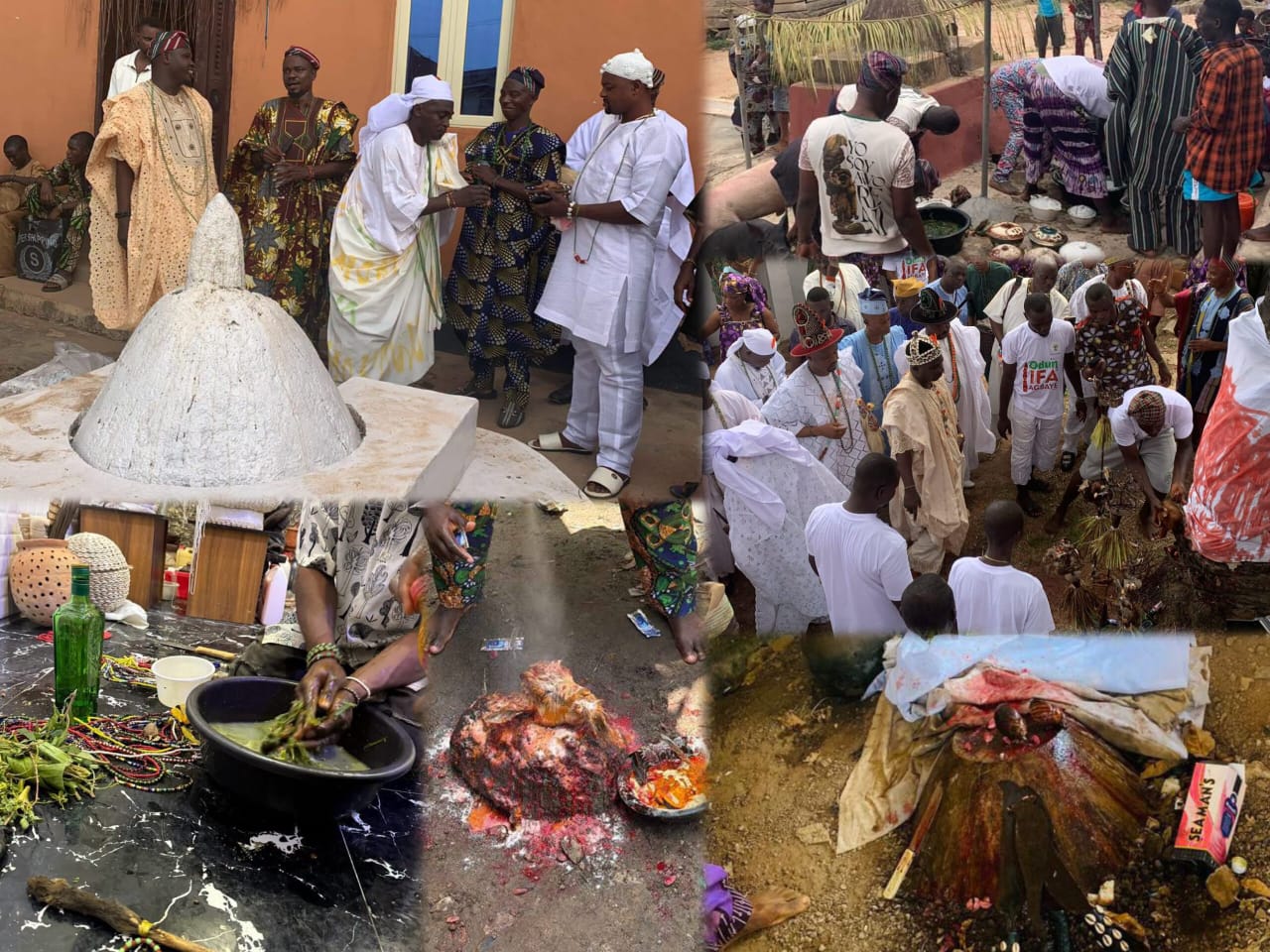
Yet behind the calm atmosphere, some residents speak of a different reality—one shaped by fear, inherited beliefs, and long-standing traditions connected to a deity known locally as Orisha Olodu.
Over several weeks, this reporter spoke with current and former residents, religious leaders, community elders, and young people who have left the town. Their stories revealed a recurring theme: a struggle between tradition and modern life, and the impact that struggle has had on families and the younger generation.
Many interviewees described growing up hearing stories that Orisha Olodu played a central role in the fortunes of certain family lineages. According to these accounts, families who maintained traditional obligations were believed to enjoy protection, fertility, prosperity, and peace. Thosewho rejectedor abandoned such obligations,some claimed, risked misfortune.
While these beliefs are difficult to verify and are disputed by others in the community, they continue to influence perceptions among some residents.
One elderly man, Pa Adeyemi, who said he has lived in Igbajo for more than eight decades, agreed to speak with this newspaper about what he had witnessed over the years.
Sitting beneath a large tree near his family compound, he reflected on how much the town had changed.
“When I was a young man, people feared Orisha Olodu greatly,” he said. “Nobody wanted to be accused of neglecting family traditions. If a child became sick, if a woman could not conceive, if somebody died unexpectedly, people often looked for spiritual explanationsbefore anything else.”
According to him, stories of families facing difficulties after distancing themselves from traditional practices circulated widely throughout the community.
“Whether those stories were true or not, people believed them,” he said. “And belief itself is powerful.”
Several former residents interviewed by this newspaper claimed that such beliefs affected major decisions in their lives.
OnemannowlivinginLagossaidheleftIgbajoshortlyafterhismarriage.
“There was pressure from some relatives to participate in rituals that I was uncomfortable with,” he said. “When my wife experienced complications during pregnancy, some family members immediately connected it to our refusal to follow traditional expectations.”
Another former resident currently living in Europe described years of emotional stress before deciding to leave Nigeria.
“Every problem seemed to have a spiritual explanation,” he said. “If someone lost a child, people talked about the deity. If a couple struggled to have children, people talked about the deity. Eventually, you begin to live in fear.”
Among the most sensitive accounts gathered during this investigation were stories involving couples who allegedly struggled with infertility after rejecting ancestral traditions associated with Orisha Olodu.
Several interviewees claimed that some families interpreted repeated miscarriages, childlessness, or infant deaths as signs that traditional obligations had been neglected.
Medical professionals contacted for this report stressed that infertility and pregnancy complications have numerous medical causes and should not automatically be attributed to spiritual factors. However, they acknowledged that cultural beliefs can significantly influence how communities interpret such events.
A retired school teacher in Igbajo described the situation as a source of growing tension between generations.
“The younger people are educated,” he said. “They want scientific explanations. But many elders still hold on to old beliefs. That creates conflict within families.”
According to several residents, this conflict has contributed to a steady migration of young people away from the town over the last two decades.
Some moved to Lagos, Ibadan, Abuja, and Port Harcourt. Others eventually travelled abroadinsearchofwhattheydescribed asfreedomfromfamilypressureandtraditional expectations.
Oneuniversitygraduatewholeftthetownmorethantenyearsagosaid:
“People assume migration is always about money. For some of us, it was also about peace of mind. We wanted to raise our families without fear.”
Community leaders interviewed for this report strongly rejected suggestions that harmful practices remain widespread in Igbajo today. They argued that many stories have been exaggerated over time and that the majority of residents live peacefully without involvementin traditional rituals.
Nevertheless, even some of those leaders acknowledged that beliefs surrounding Orisha Olodu remain part of local history and continue to influencethe thinking of some families.
A local pastor who has ministered in the area for many years described the issue as a clash between tradition, religion, and modernity.
“Many people have embraced Christianity or Islam,” he said. “But cultural beliefs do not disappear overnight.Sometimes people publicly reject them while privately fearing them.”
AsIgbajocontinuestodevelop,manyresidentsbelievethetownstandsatacrossroads.
Older generations speak of preserving cultural identity and respecting ancestral heritage. Younger generations increasingly seek individual freedom and independence from traditions they no longer fully understand or accept.
Whether the stories surrounding Orisha Olodu are rooted in historical reality, community folklore, or generations of inherited fear, their influence remains part of conversations taking place behind closed doors.
For many young people who have left Igbajo, the decision was not simply about economic opportunity. It was about creating distance from beliefs they felt continued to shape their lives.
And as more families leave in search of new beginnings elsewhere in Nigeria and beyond, the debateover tradition, faith, and personal freedom continues to echo through oneofOsun State’s oldest communities.